History

Professor Dr. S. M. K. Wasti, senior medical specialist and academic professional”

Professor Dr. S.M. K Wasti established the Ch. Rahmat Ali Memorial Trust in 1976.

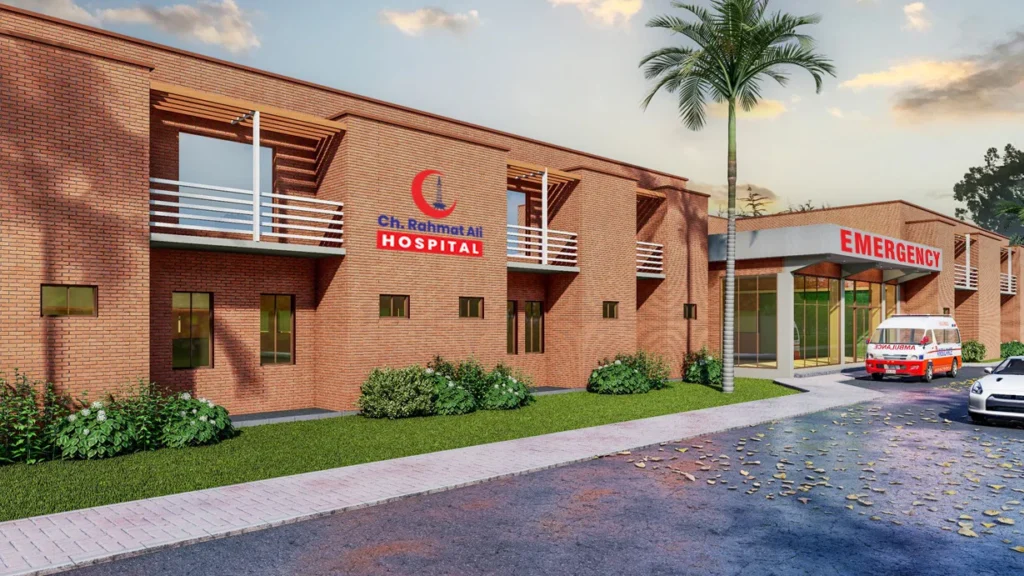
Professor Dr. S. M. K. Wasti (1912–1995), recipient of the Tamgha-e-Pakistan and the Father of Pediatrics in Pakistan, founded Ch. Rahmat Ali Memorial Trust in the year 1976. Besides, he was the pioneer of Ch. Rahmat Ali Memorial Trust Hospital, Township, Lahore.

Dr. Wasti was a remarkably eminent medical practitioner with an impressive array of national and international credentials, including MBBS (Punjab), FCPS, FRCP (Ireland), MPH (London), DCH (Ireland), and DTM&H (London). He was Professor Emeritus of Pediatrics at King Edward Medical College, Lahore, and was a Founder Fellow and Professor Emeritus of the College of Physicians & Surgeons, Karachi.

He was committed to the health care of mothers, children, and families, medical education, and institutional development throughout his life, and he laid the cornerstone of the Trust’s mission and legacy.

Ch. Rahmat Ali Memorial Trust – Affordable Healthcare and Education in Lahore

Ch. Rahmat Ali Memorial Trust is a well-recognized and respected Lahore-based non-profit organization whose main objective is to provide quality healthcare and education to the entire society, particularly marginalized and underserved communities in Lahore and nearby areas. The Trust provides its services at very low cost or, if necessary, at no cost, ensuring that the most worthy individuals and families can access fundamental health care and educational opportunities. To accomplish its vision of welfare and social uplift, the Trust has built the following institutions in the Township, Lahore, Pakistan:

Ch. Rahmat Ali Memorial Trust, through the combined facilities of health care, education, and religion, continually plays a critical role in enhancing lives, empowering families, and transforming society into healthier, more educated communities.

Ch. Rahmat Ali Memorial Trust – non-profit organization providing healthcare, education, and community welfare services.”
TOP